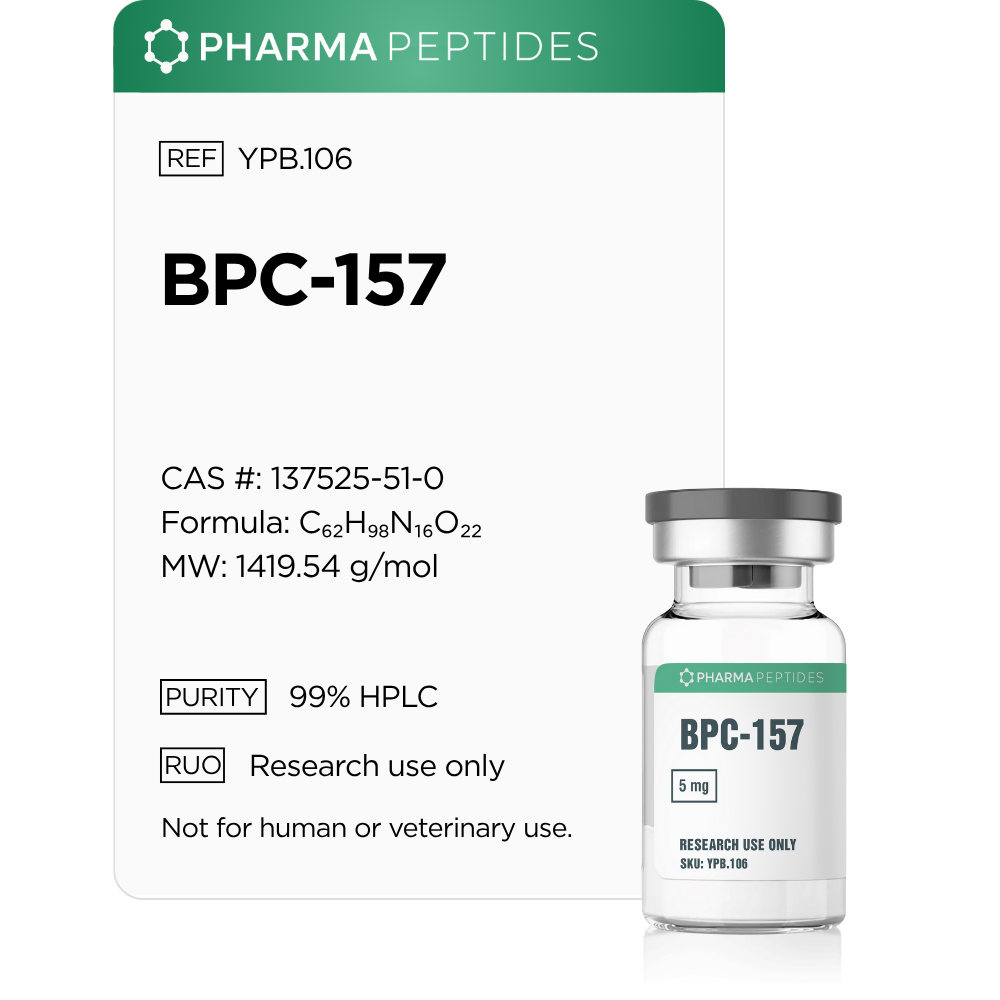
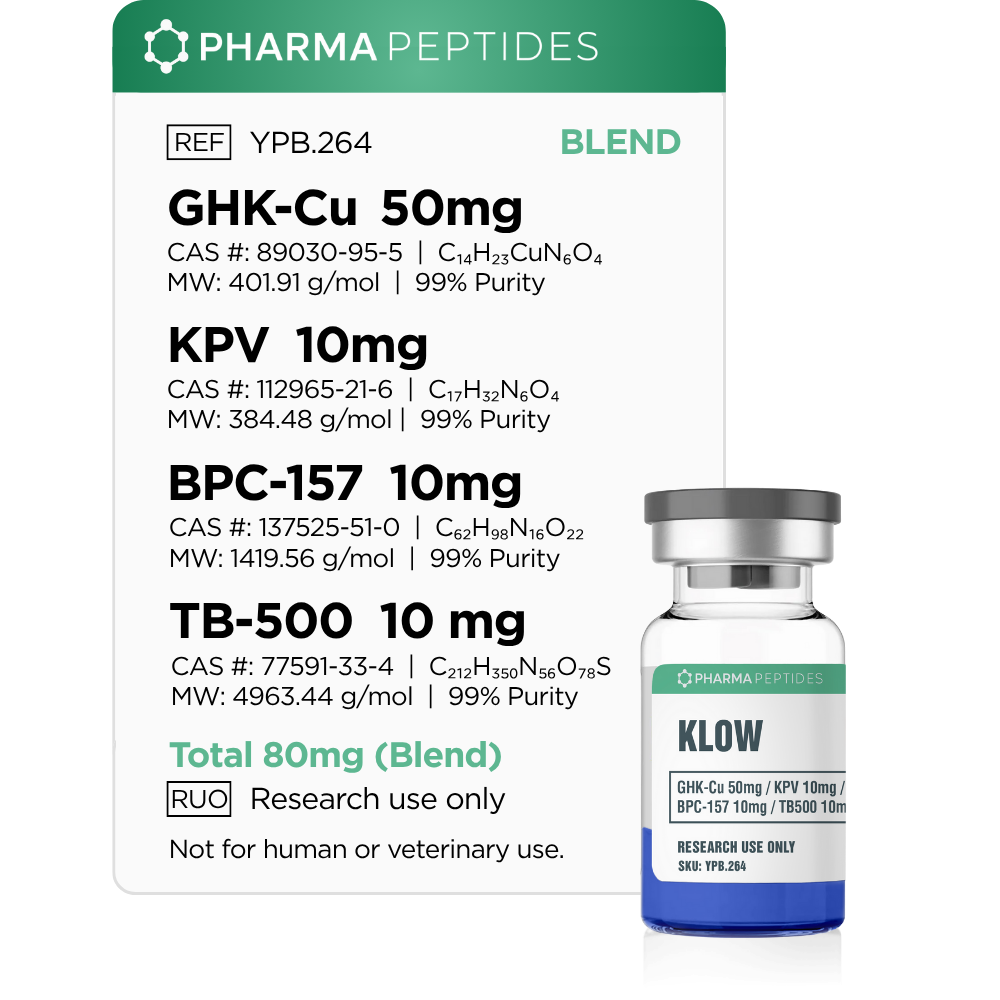
What is BPC-157?
BPC-157, short for “Body Protection Compound-157,” was first identified during research on human gastric juice in the early 1990s. Croatian researchers at the University of Zagreb, led by Dr. Predrag Sikirić, originally isolated this sequence from a larger protective protein found naturally in the stomach—which is where the “Body Protection Compound” name originated.
Over the past three decades, BPC-157 has become one of the more extensively studied peptides in preclinical research. Hundreds of peer-reviewed publications have examined its interactions with various biological systems, including nitric oxide pathways, growth factor signaling, and angiogenic processes.
Research interest has spanned multiple biological systems—from gastrointestinal and musculoskeletal models to neurological and vascular studies. While preclinical data has accumulated over 30+ years, it’s worth noting that human clinical trials remain limited, and most published findings come from animal or in vitro studies.
What is BPC-157 studied for?
Tissue Regeneration Research
Investigated in preclinical models for its effects on muscle, tendon, and ligament tissue repair mechanisms.
Wound Healing Research
Examined in animal wound models for observations related to tissue closure and ulcer repair pathways.
Anti-inflammatory Research
Studied in laboratory research for interactions with inflammation-related signaling pathways across various tissue types.
Gastrointestinal Research
Evaluated in preclinical GI tissue models for observations related to gastric and intestinal mucosal integrity.
How should BPC-157 be stored?
All of our products are manufactured using the Lyophilization (Freeze Drying) process, which ensures that our products remain 100% stable for shipping for up to 3-4 months. Once the peptides are reconstituted (mixed with bacteriostatic water), they must be stored in the fridge to maintain stability. After reconstitution, the peptides will remain stable for up to 30 days.
Lyophilised (Unopened)
−20°C for up to 24 months
Reconstitution Solvent
Bacteriostatic water recommended
Reconstituted Solution
2–8°C for up to 28 days
Avoid
Repeated freeze-thaw cycles
Handling Notes
Reconstitute slowly by adding solvent to the side of the vial and allowing it to dissolve without agitation. Do not shake. Store away from direct light. All products are shipped with dry ice or cold packs to maintain cold-chain integrity.
Certificate of Analysis
All BPC-157 batches are independently tested by a third-party laboratory for purity and identity verification via HPLC with UV detection coupled with Mass Spectrometry.
| Test |
Method |
Specification |
Result |
| Peptide Identity |
Mass Spectrometry |
Confirmed |
Identity Confirmed
|
| HPLC Purity |
Reverse-Phase HPLC |
≥99% |
99.2% — Pass
|
| Endotoxin (LAL) |
LAL Assay |
<1.0 EU/mg |
<0.8 EU/mg — Pass
|
| Heavy Metals |
ICP-MS |
Below USP limits |
All Below Threshold
|
| Appearance |
Visual |
White lyophilised powder |
Pass
|
Independent Lab Verified · Full PDF COA Available on Request